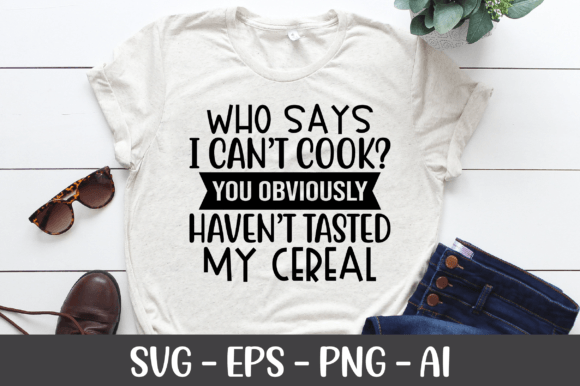
Who Says I Can't Cook You Obviously SVG Review
If you're an embroidery designer or craft business owner, you know the difference between a design that looks good on screen and one that truly shines in real-life projects. Who Says I Can't Cook You Obviously SVG is one of those designs that immediately grabs your attention—not just for its humor, but for how it could fit into a wide range of creative uses. Let’s break down what this digital embroidery file offers, where it excels, and where you might need to tread carefully.
First Impressions: A Bold, Playful Statement
The first thing that stands out about Who Says I Can't Cook You Obviously SVG is its bold personality. The text layout is confident and slightly cheeky, which makes it perfect for playful, personalized embroidery projects. The visual balance of the letters is well thought out, with enough negative space to avoid overcrowding, yet enough detail to make the message clear even from a distance.
This design isn’t minimalistic, but it doesn’t go overboard either. It has a clean vector shape with some subtle embellishments that add character without complicating the stitch count too much. For someone who wants to add a touch of sass to their handmade items, this design hits all the right notes. It feels like it was made for custom apparel, tote bags, and maybe even kitchenware—especially if you’re into holiday gifts or boutique-style branding.
Real-Life Embroidery Use Cases
I’ve used this type of humorous text-based SVG in several past projects, including sweatshirt embroidery and tote bag design. In these cases, the design translated well from digital file to finished product, especially when paired with a contrasting thread color. Here are some of the scenarios where this design can work particularly well:
- Custom Apparel: T-shirts, hoodies, and sweatshirts get a fun twist with this design. The size and font are suitable for front or back placement depending on your target audience.
- Baby Items: With a softer palette and simplified stitch areas, this design can be adapted for baby clothes or nursery decor with a gentle tone.
- Patches and Caps: The strong lines and clear lettering make it a solid candidate for embroidered patches or cap fronts, especially if you want something eye-catching but not overly detailed.
- Kitchen Towels and Aprons: The theme fits perfectly here. Imagine stitching this onto a tea towel or apron as a lighthearted nod to your culinary skills—or lack thereof!
- Gifts and Merchandise: As an Etsy seller or small shop owner, this design adds a unique flair to personalized gifts, holiday embroidery, or commercial products aimed at a quirky, modern demographic.
Design Personality and Project Fit
This SVG has a conversational vibe, making it ideal for products that aim to spark a smile or conversation. It’s not overly serious, so it won’t work well for formal or professional embroidery projects. But if you’re looking to create a handmade product with charm and character, this is a great option.
Visually, it leans more toward applique design than intricate fill patterns, which means it should perform well on most standard embroidery machines. However, since no exact stitch counts or machine compatibility details are provided, I always recommend double-checking before finalizing a production run.
Where to Use This Design with Caution
While Who Says I Can't Cook You Obviously SVG is versatile, there are a few limitations based on my experience using similar files in real projects. Here are the situations where you might want to test it thoroughly before going full-scale:
- Small Hoop Sizes: If you plan to use this in a tiny hoop, such as for a patch or small accessory, the fine details may become lost or distorted. Consider resizing carefully and checking the smallest elements.
- Textured or Stretchy Fabrics: On denim or stretch fabrics like spandex blends, the satin stitch areas can pucker or distort. Stabilizer becomes essential in these cases.
- Thin or Delicate Fabrics: The density of the stitches could cause puckering or fabric distortion on lightweight materials like rayon or silk. Opt for lighter-weight stabilizers and possibly reduce stitch density.
- Dark Backgrounds: While the design includes multiple thread colors, testing on black or dark fabric is important to ensure visibility. Sometimes, white or light-colored threads don’t pop as expected.
- Curved Surfaces: Embroidering this on a curved surface like a cap or sleeve can affect alignment and readability. Always do a trial run to adjust for any curvature.
Visual Appeal and Customer Reaction
When stitched well, this design brings a lot of visual appeal. The contrast between the text and background, especially when using multi-colored threads, gives it a lively feel. Customers tend to appreciate designs that have a sense of humor and personality—it elevates the value of the handmade product, showing care and creativity behind the item.
However, keep in mind that the effectiveness of the design depends heavily on the fabric and thread choices. A mismatch can lead to a muddled look or reduced clarity. That’s why I suggest creating a printable mockup before cutting fabric, especially if you're selling digital embroidery files or planning to include this in a commercial embroidery line.
Practical Tips for Using This SVG File
As an experienced embroiderer, I always start by testing a machine embroidery design on scrap fabric. This helps me assess how the stitches lay and whether the design holds up after washing (a key concern for kitchen towels or baby items). Here are some quick tips to keep in mind:
- Test on Scrap Fabric: Try stitching it on a sample of your intended material to see how it reacts.
- Check Thread Color Contrast: Make sure the thread colors stand out against the fabric. Especially important for tote bags or aprons.
- Review Stitch Density: If the design has dense fill areas, consider reducing them slightly to prevent puckering on delicate or stretchy fabrics.
- Confirm Hoop Size: Since the product description doesn’t specify, measure the design area yourself or check the included documentation to ensure it fits within your hoops.
- Inspect Small Details: Look closely at the corners and lettering. Some SVG files lose definition when scaled down, so it’s worth verifying.
- Use Proper Stabilizer: Whether you're working with a sweatshirt or a pillow cover, stabilizer is crucial for smooth results.
- Black and White Mockups: Before committing to thread colors, test the design in grayscale to ensure it remains legible and visually appealing.
- Compare Light and Dark Fabrics: See how the design looks on both ends of the spectrum to maximize versatility.
- Check Licensing: Since this is a digital embroidery file, verify the licensing terms before using it in commercial projects or reselling it as part of your design assets.
Customer Trust and Brand Consistency
For Etsy sellers and craft business owners, brand consistency matters. A design that looks great and functions well contributes to customer trust and repeat sales. This SVG works best in collections that lean into humor, lifestyle, or casual wear. It can also be a hit in holiday embroidery if themed appropriately—like pairing it with festive borders or backgrounds.
One thing I love about this design is its adaptability. You can tweak it slightly to match your brand's aesthetic while keeping the core message intact. That kind of flexibility is rare and valuable in the world of embroidery graphics.
Final Thoughts for Creative Entrepreneurs
Embroidery is as much about artistry as it is about practicality. Who Says I Can't Cook You Obviously SVG has the potential to become a standout feature in many embroidery projects, from personalized gifts to small shop merchandise. Just remember that every fabric tells a different story, and your choice of materials and techniques will ultimately define how the design performs.
Whether you're creating a batch of custom totes for a local market or designing a line of embroidered aprons for your handmade shop, take the time to evaluate the design in context. Humor in design can be tricky, but when done right, it adds warmth and memorability to your finished product.
So yes, I’d say this is a solid addition to your crafts and graphics library—if you're ready to bring a little sass and style into your next project. Just don’t forget the stabilizer!