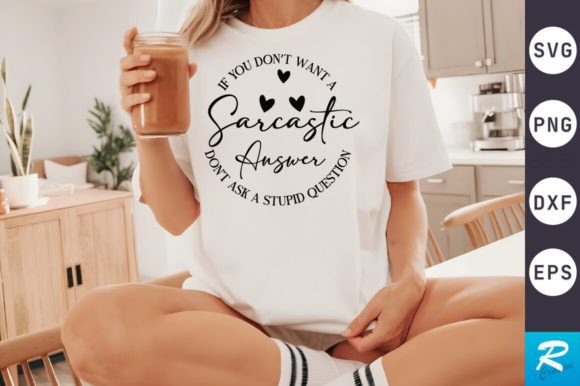
If You Don’t Want a SVG Design
When evaluating an embroidery design for real-world use, it’s not enough to look at the digital file or even the rendered preview. As a designer and reviewer with years of experience in craft business and custom apparel, I’ve learned that what truly matters is how the design translates into stitch on fabric — especially when it comes to practical projects like tote bags, sweatshirts, or personalized gifts.
A First Look at “If You Don’t Want a SVG Design”
The phrase If You Don’t Want a SVG Design immediately piques curiosity. It suggests a design that’s not just about format limitations but also about purpose. This embroidery file is described as ideal for sweet t-shirts and gift ideas for family and friends. That tells me it’s probably a whimsical, expressive graphic meant to convey emotion or sentiment through visual appeal.
From a first glance, the design seems to carry a soft, hand-drawn quality — which is perfect for those who want to add a personal touch without going overboard with technical complexity. The layout is balanced, with no overly intricate details that might cause issues during stitching. It doesn’t scream boldness but instead whispers charm, making it a good fit for casual wear and home décor items like pillow covers or tea towels.
Mood and Visual Personality
There’s a gentle, almost nostalgic feel to this design. It’s reminiscent of vintage-style illustrations with clean lines and subtle shading. The colors are warm and inviting, likely using a limited palette that works well across different fabrics and machine settings. This kind of machine embroidery design often appeals to crafters and small shop owners looking to create unique, recognizable handmade products that stand out in both Etsy listings and boutique stores.
Real-World Application: Testing the Design in Action
Let’s imagine using this design for a custom embroidered sweatshirt for a local kids’ boutique. The design is intended for t-shirts and gifts, so it should work well on cotton blends and heavier knits. Its simplicity allows it to scale up or down depending on the garment size, and the shape feels organic rather than rigid — important for designs that will be placed off-center or on curved surfaces like caps or patches.
As a potential holiday gift idea, it could be stitched onto a cozy baby blanket or a festive kitchen towel. The theme is versatile enough to adapt to various seasons or events with minor tweaks to color or background. For an embroidered patch, the design would need some adjustments in stitch type and density, but the core visuals seem strong and clear enough to make a lasting impression.
Where It Shines
- Tote bag design: The design’s flat and uncluttered layout makes it a great candidate for tote bags, where you want something visible but not overwhelming.
- Sweatshirt embroidery: Its soft character fits well with the cozy vibe of sweatshirts and hoodies, especially for children’s or teen fashion lines.
- Personalized gifts: Since it’s described as a gift idea, it naturally complements items like baby clothes, aprons, or nursery decor where sentiment matters more than technical flair.
Use With Caution: Practical Limitations
While this design is undeniably cute and suitable for many embroidery projects, there are a few scenarios where it might fall short if not approached carefully. Here are the key considerations based on my experience:
Small Hoop Sizes
If your project requires a compact hoop — such as for a cap or a tiny patch — this design may need resizing. Resizing can affect stitch density and clarity, especially in areas with fine details. Always check the original dimensions before shrinking the design too much.
Textured or Stretchy Fabrics
This design isn’t suited for stretchy materials like spandex blends or textured ones like denim unless properly stabilized. Without the right stabilizer, stitches can distort or break, compromising the final look. If you’re planning to use it on a sweatshirt made from a stretchier fabric, consider reinforcing the area with tear-away or cutaway stabilizers.
Dark Fabric Backgrounds
The thread colors mentioned aren’t specified, so I recommend testing the design on black or navy fabric to ensure visibility. A white or light-colored backing might be necessary for high contrast. As an Etsy seller, this is crucial for customer satisfaction — you don’t want a beautiful design lost in the shadows of dark material.
Detailed Corners and Tiny Lettering
Some elements appear delicate, particularly any lettering or corners. These areas may require manual editing or reinforcement, especially if you plan to embroider on thin or loosely woven fabrics. Always inspect these sections closely in a printable mockup before committing to the final product.
Products That Require Frequent Washing
If you're creating items like baby clothes or dish towels, the durability of the design is essential. High stitch density in certain parts might lead to puckering or loosening over time. Opt for a lighter stitch count in fill areas and reinforce edges with satin stitch or running stitch for better longevity.
Design Impact on Branding and Customer Perception
One of the strengths of If You Don’t Want a SVG Design is its ability to elevate the visual appeal of a product while maintaining a sense of authenticity. For small shop products, this balance is vital. Customers appreciate designs that feel handcrafted yet professional, and this one does that well.
Used consistently across multiple items — say, a line of embroidered onesies or holiday-themed aprons — the design can become part of your brand identity. Its friendly tone supports brand consistency, especially if you're targeting markets like handmade gifts or boutique fashion.
On the flip side, because it lacks overtly commercial elements, it may not be the best fit for large-scale commercial embroidery. But for niche brands or digital embroidery files sold online, it adds value and trust. People recognize thoughtful, cohesive design work, and this one has the potential to do that if used wisely.
Customer Trust and Giftability
As a seasoned reviewer, I know that customers judge by the finished product. A design that looks good on screen but loses clarity after embroidery can hurt buyer engagement. However, If You Don’t Want a SVG Design appears to maintain its charm post-stitching, assuming proper technique and materials are used.
Its personalized gift angle means it’s likely popular among hobbyists and creative entrepreneurs who prioritize emotional resonance over technical perfection. When done right, it adds a memorable touch to items like sweaters, baby blankets, or even embroidered cards.
Designer Tips for Using This Embroidery File
Here are some tried-and-true tips to help you get the most out of this design in your embroidery project:
- Test on scrap fabric: Always run a trial stitch before working on your final product. This helps catch issues like distortion or color mismatch early.
- Check thread color contrast: Especially if the original file uses pastel or muted shades, verify that they pop against your chosen fabric. Use tools like DMC thread converters to match effectively.
- Review stitch density: Adjust fill stitches to avoid bulkiness on lightweight materials. Dense areas can pucker or flatten out if not handled carefully.
- Confirm hoop size: While the design seems adaptable, always double-check the recommended hoop size for the best results. If not provided, test different sizes yourself.
- Inspect small details: Pay attention to any tiny elements like outlines or text. These can easily disappear if the fabric is too dark or the thread is too similar in shade.
- Test in black and white: This helps determine whether the design relies too heavily on color or if it maintains structure and clarity in grayscale.
- Compare light and dark backgrounds: Seeing how the design interacts with both types of fabric gives insight into its versatility and readability.
- Use proper stabilizer: Depending on the fabric, a middle-weight stabilizer might be necessary to prevent shifting and maintain stitch integrity.
- Confirm licensing before selling: If you plan to use this digital embroidery file for commercial purposes, make sure the license permits resale of the finished product or digital distribution. Many free designs have restrictions.
Final Thoughts on Project Suitability
In conclusion, If You Don’t Want a SVG Design is a solid choice for crafts and graphics that lean toward the sentimental and stylish. It brings a touch of warmth to everyday items and offers enough flexibility to be adapted into different formats — from applique design to full-color embroidery.
However, it’s not a one-size-fits-all solution. The design’s charm lies in its subtlety, which means it needs careful handling to preserve its integrity. Whether you're a handmade shop owner or an embroidery designer looking to expand your portfolio, understanding the nuances of how it behaves on fabric is key to ensuring customer satisfaction and professional results.
So, go ahead and bring this design into your next project — just remember to stitch smart, test thoroughly, and keep your audience in mind. After all, the best design assets aren’t just about looking good; they’re about feeling right, fitting well, and lasting long.