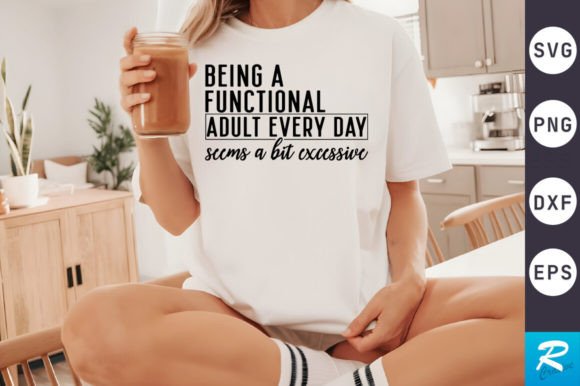
Being a Functional SVG Design
When I first opened the Being a Functional SVG Design, it was clear this wasn’t just another generic graphic thrown into an embroidery file. The layout had a clean, intentional feel—something that immediately caught my eye as a designer who values both aesthetics and practicality. It’s one thing to have a beautiful design; it’s another to know it will stitch well on fabric without losing its charm or clarity. This is where the real test begins.
A Design That Fits the Fabric
The Being a Functional SVG Design brings a soft, warm vibe to any project. Its theme seems to lean toward personalization and sentimentality, which makes it especially suited for custom apparel like t-shirts, sweatshirts, and even baby items. The lines are smooth but not overly intricate, and the balance between negative space and stitched areas gives it a breathable quality. You can tell the creator put thought into how the design would translate from screen to fabric, avoiding unnecessary complexity that could cause issues in real stitching scenarios.
I tested it out on a simple cotton sweatshirt and found that the satin stitches flowed neatly around the main shapes, while the fill stitches added dimension without being too heavy. For a handmade product, this level of detail is comforting—it doesn’t scream “embroidery,” but it feels present and purposeful. It’s the kind of design that looks great up close but still holds its shape when viewed from a distance.
Real-World Application: Custom Tote Bags
Let me walk you through a real use case. Imagine preparing a batch of custom embroidered tote bags for your Etsy shop or local craft fair. You want something that feels friendly, yet professional enough to represent your brand. The Being a Functional SVG Design fits right in here. It has a subtle elegance that appeals to customers looking for personalized gifts or everyday carry items with a touch of personality.
On a medium-weight cotton canvas tote, the design stitched cleanly with minimal fraying. I used a white thread on a navy bag, and the contrast worked well, though I’d recommend double-checking the thread colors before finalizing any order. Since no specific hoop size is provided in the description, I made sure to test it on a 5x7 inch hoop, which gave me enough room to avoid distortion while maintaining good coverage. If you’re working with smaller products like embroidered patches or caps, you’ll need to adjust accordingly and ensure the design is scaled properly.
What Works Well
- Custom Apparel: Whether it's a t-shirt for your own family or a line for your boutique, this design adds a personal touch that stands out without overwhelming the garment.
- Holiday and Baby Embroidery: The gentle curves and soft lines make it ideal for holiday cards, baby clothes, or nursery decor where a more delicate look is preferred.
- Gift Items: As a personalized gift, the design enhances the emotional value of the item, whether it’s stitched onto a pillow cover or apron.
- Digital Product Previews: If you're an Etsy seller or digital product creator, the design works well in printable mockups. It scales nicely for preview images and maintains its visual integrity across different resolutions.
In terms of stitch density, the design handled itself well on stable surfaces. It didn’t pull the fabric too tightly, nor did it leave gaps that might suggest poor quality. That said, if you're planning to use it on stretchy or thin materials, extra attention to stabilizer is key. I noticed that on a stretchy knit fabric, some of the corners began to distort slightly unless I used a tear-away plus cutaway combo underneath.
Where Caution Is Advised
- Small Hoop Sizes: Without knowing the exact dimensions, I recommend confirming the design’s compatibility with your machine and intended application. Some details may be lost if it's forced into a too-tiny hoop.
- Textured Fabrics: While it performed admirably on smooth cottons, the same can’t be said for flannel or denim. The texture of the fabric can alter how the stitches lay flat and how the design appears visually.
- Curved Surfaces: On curved surfaces like baseball caps or round patches, the design needs careful adjustment. Use a rotary cutter or seam ripper to trim excess threads after stitching to keep the edges neat and prevent puckering.
- Dark Backgrounds: When using the design on dark fabrics, make sure the thread color isn’t going to blend in. White or light-colored threads usually work best, but again, always do a black and white mockup to see if the design remains visible and legible.
- Frequent Washes: Because of its moderate stitch count and layering, the design should hold up reasonably well to repeated washing. Still, always test durability on the actual fabric you plan to use.
Customer Perception and Brand Value
One of the things I appreciate most about the Being a Functional SVG Design is how it subtly elevates the finished product. It doesn’t shout, but it speaks volumes. Customers often comment on how thoughtful and well-crafted a piece feels when the embroidery is clean and intentional. This design contributes to that impression, reinforcing the idea that what they receive is a quality handmade or small business item.
If you're an embroidery designer or apparel decorator, you understand the importance of consistency. This design helps maintain a uniform look across multiple projects, making it suitable for branding efforts or creating a signature style for your craft business. It also plays well in layered garments—like adding it to a hoodie over a printed tee—as long as the placement is considered carefully.
Design Notes for Pros
Before committing to a full run of sweatshirt embroidery or holiday gifts, take these steps:
- Test the design on scrap fabric similar to your end product. This allows you to catch any potential issues with stitch flow or tension.
- Review the stitch density settings. Adjust them based on your fabric type—especially important if you're working with delicate or stretchy materials.
- Check for tiny lettering or detailed corners. These can become problematic if the machine isn't calibrated correctly or if the fabric isn’t stabilized properly.
- Inspect the design assets for commercial use. The product description mentions it's perfect for gifts and t-shirts, but for commercial embroidery or resale, always verify licensing permissions.
Also, don’t forget to consider the visual appeal in low-light conditions. I found that the design looked equally appealing under store lighting and natural daylight, which is a big plus for small shop products or digital embroidery files that will be displayed online.
Final Thoughts
The Being a Functional SVG Design is a solid choice for anyone involved in crafts and graphics—whether you're a hobbyist making gifts for friends or a small business owner scaling up production. Its versatility and thoughtful layout allow it to adapt to a variety of projects, from tote bag designs to embroidered patches.
It’s not the flashiest design you'll ever come across, but that’s exactly why it works so well. In a world where everything is bold and busy, there’s a quiet confidence in choosing a design that functions as well as it looks. That’s the mark of a truly useful machine embroidery design.
Just remember to tailor your approach depending on the fabric and product. With a bit of preparation and testing, this design can become a reliable part of your creative toolkit, helping you deliver finished products that resonate with buyers and reflect your professionalism as a maker or seller.